
Choose your beneficiaries
Decide who should receive your property, accounts, personal belongings and other assets instead of leaving those choices to default rules.
Clarity for what matters most.
Estate planning is one of the most personal ways to care for the people you love. A Will or Trust helps you decide what happens to your property, who should carry out your wishes, and how the people who matter to you should be protected.
You do not need to be wealthy to have a life, a family and a legacy worth protecting.
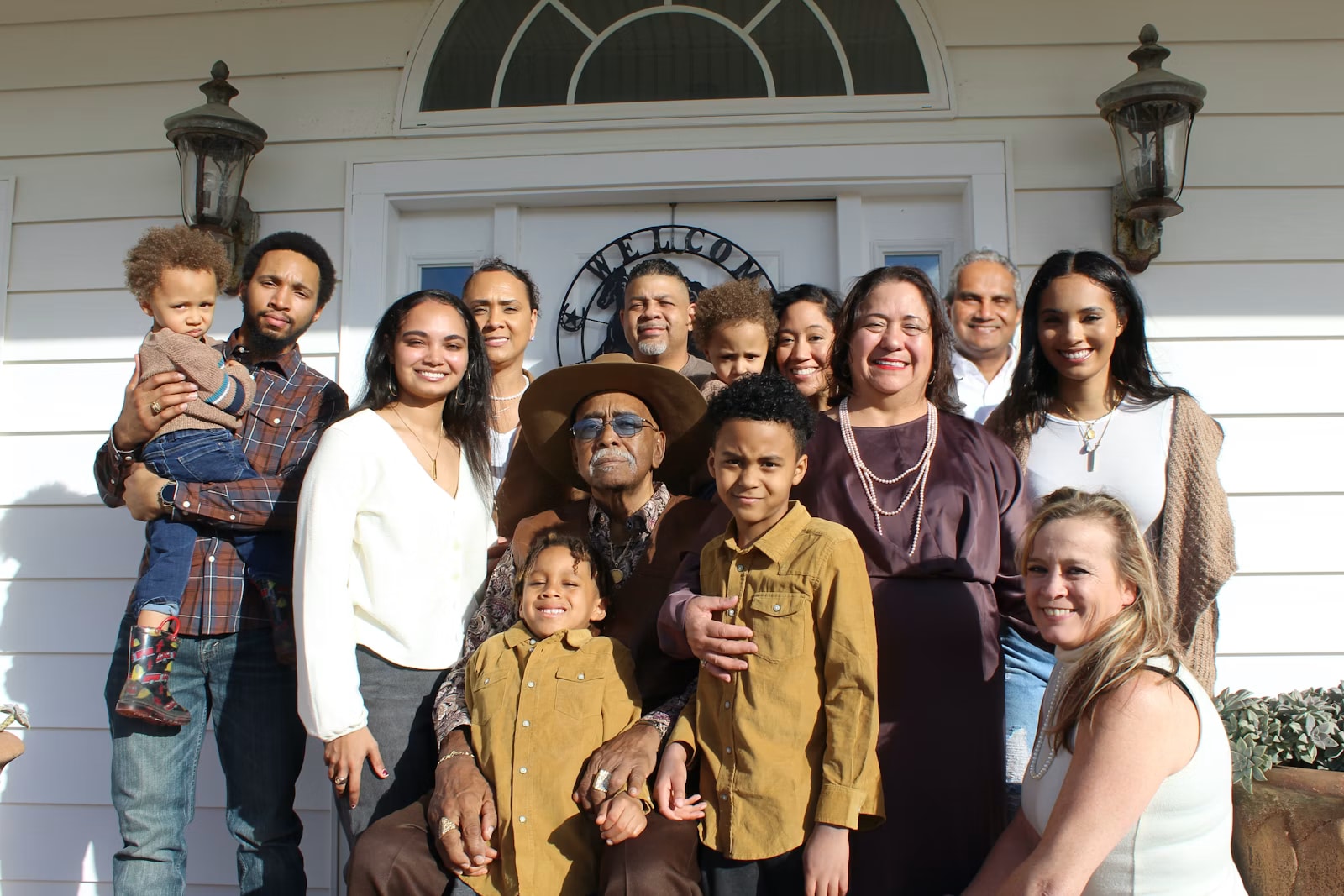
Planning is an act of love.
Make the decisions now so your family is not left guessing later.
Make your wishes easier to understand and follow.
Choose who should receive what you worked to build.
Choose trusted people to act if you cannot act for yourself.

Peace of mind begins with a plan.
You cannot remove every difficult moment from your family’s future. But you can give them something valuable: direction, preparation and a clearer path forward.
Start your Will or Trust today!Included free with every purchase
A Will or Trust is not just about what happens after you are gone. It is a complete plan that can consider what happens if you are living and temporarily or permanently unable to make decisions for yourself.
Helps you document which care and treatment choices are right for you if you cannot communicate for yourself.
Helps you authorize a trusted person to handle certain financial matters if you are unable to do so.

Will vs. Trust
Both can be important estate-planning tools, but they serve different purposes. The right choice depends on your family, assets, privacy preferences and how much control you want over future distributions.
| Will | Revocable Living Trust | |
|---|---|---|
| When it operates | Generally becomes operative at death. | Can operate during your lifetime and continue after death. |
| Who carries out your instructions | You name an executor or personal representative. | You name a trustee and successor trustee. |
| Probate | Property passing under the Will generally goes through probate. | Properly funded Trust assets can generally pass outside probate. |
| Privacy | Probate filings may become part of the public court record. | Trust administration is generally more private than probate. |
| Minor children | A Will is commonly used to nominate guardians for minor children. | A Trust can manage assets for children, but a Will is still commonly used for guardian nominations. |
| Control over distributions | Directs who receives property outright when you die. | Can provide detailed instructions about when and how Trust assets are used or distributed. |
| Important follow-through | Must be completed and signed with the formalities required by applicable state law. | Must be properly executed and funded by transferring appropriate assets to the Trust. |
A Trust does not necessarily replace a Will. Many people with a revocable living Trust also use a pour-over Will to address assets that were not transferred to the Trust and matters such as guardian nominations.

It is about helping the people you love know what you wanted.
Why create an estate plan?
Without a clear plan, important questions may be answered by state law, court procedures, beneficiary forms you forgot to update, or family members trying to determine what you would have wanted.
A thoughtfully prepared Will or Trust gives you the opportunity to speak for yourself. You can identify who should receive your property, who should manage your affairs, and who you trust to make important decisions if you become unable to.
That clarity can be one of the most meaningful gifts you leave your family.
What your plan can help you do
Your home, savings, business interests and keepsakes matter—but estate planning is ultimately about the people whose lives are connected to yours.
Decide who should receive your property, accounts, personal belongings and other assets instead of leaving those choices to default rules.
Name the people you trust to manage your estate, serve as trustee, handle financial matters or speak for your healthcare wishes when appropriate.
Provide a clearer path for the people you love and reduce uncertainty about what you wanted and who should be responsible.
Frequently asked questions
These are some of the questions people commonly have before moving forward with a Will or Trust.
Important: This page provides general educational information and is not individualized legal advice. Estate-planning requirements vary by state and circumstance. Your documents must be completed and executed in accordance with applicable law.
Clarity for what matters most.
Protect your loved ones, preserve your wishes and give your family a clearer path forward.
Start your Will or Trust today!Every Will or Trust purchase includes a FREE Healthcare Directive Template and a FREE Financial Power of Attorney Template.